When you picture high school, you may picture coed. It’s what you know. It may be where you went.
So why consider all-girls?
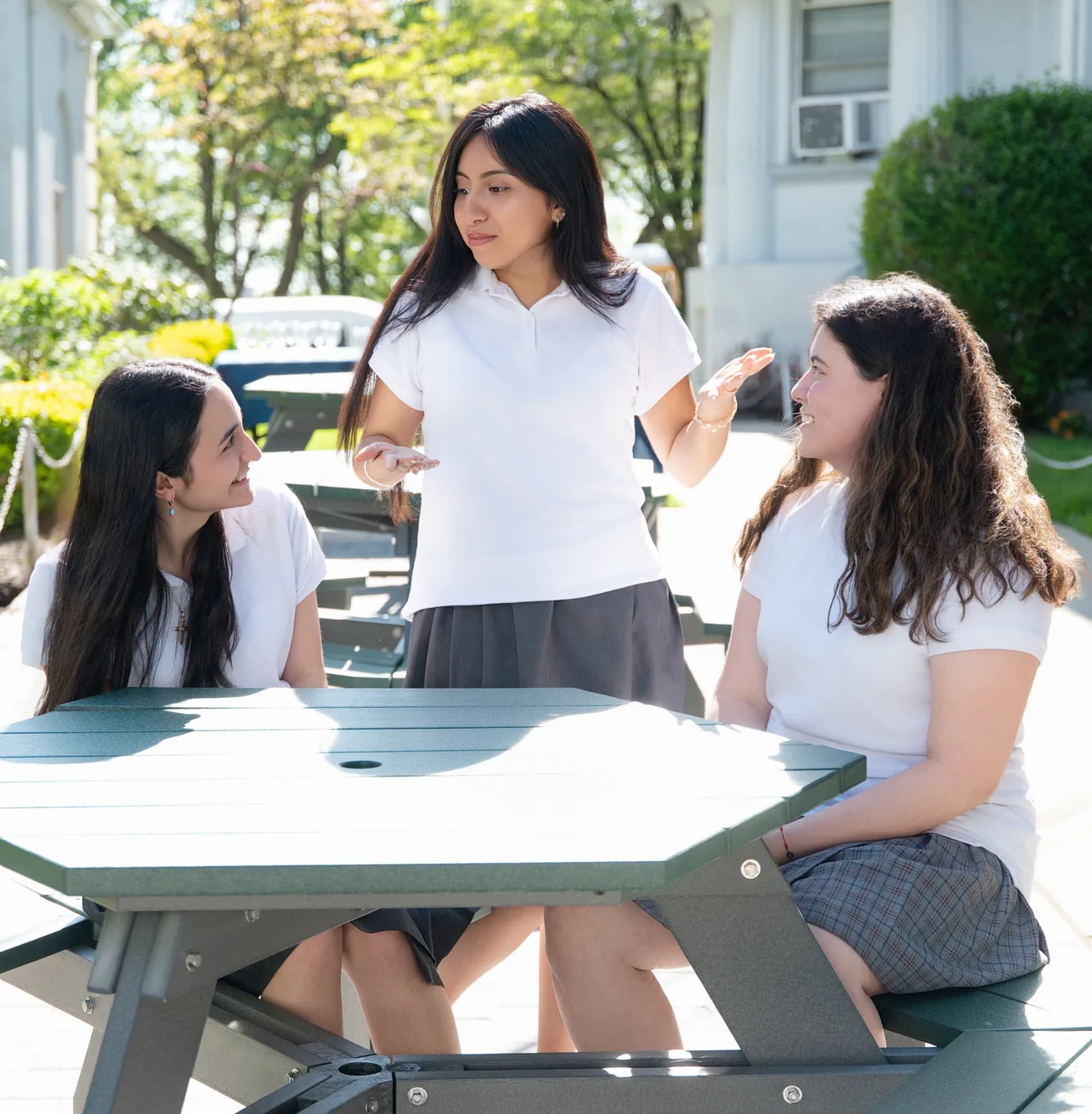
In an all-girls school, students see girls leading discussions, solving problems and taking responsibility every day.
There is more than one example to follow. For a student who hasn’t thought of herself as a leader, watching an older student step forward can make that possibility feel closer.
The world will have ideas about who she should be. Her education should teach her to think independently and create the future she wants for herself.
You’re choosing where to invest four important years. Look closely at the work those years will hold.
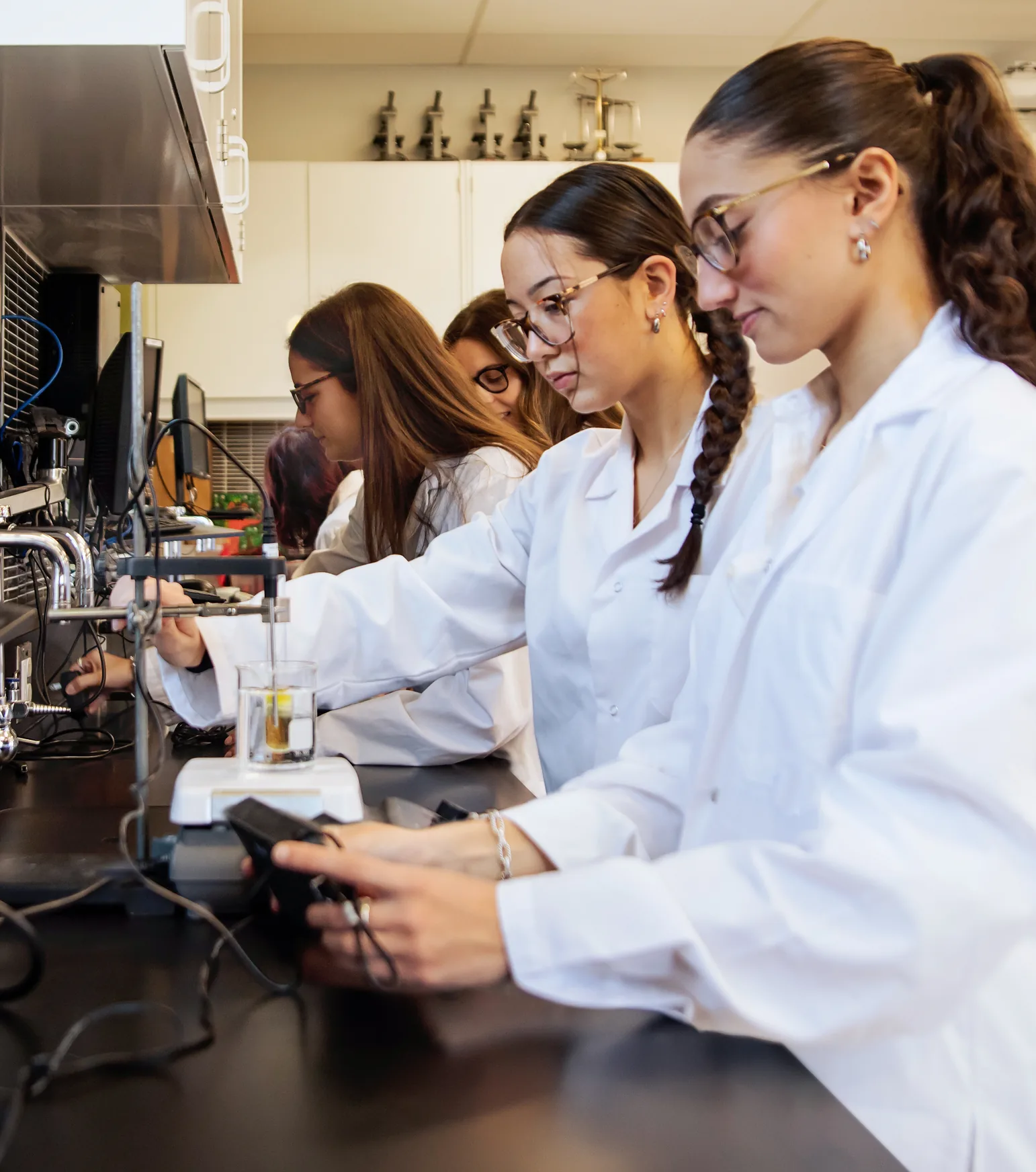
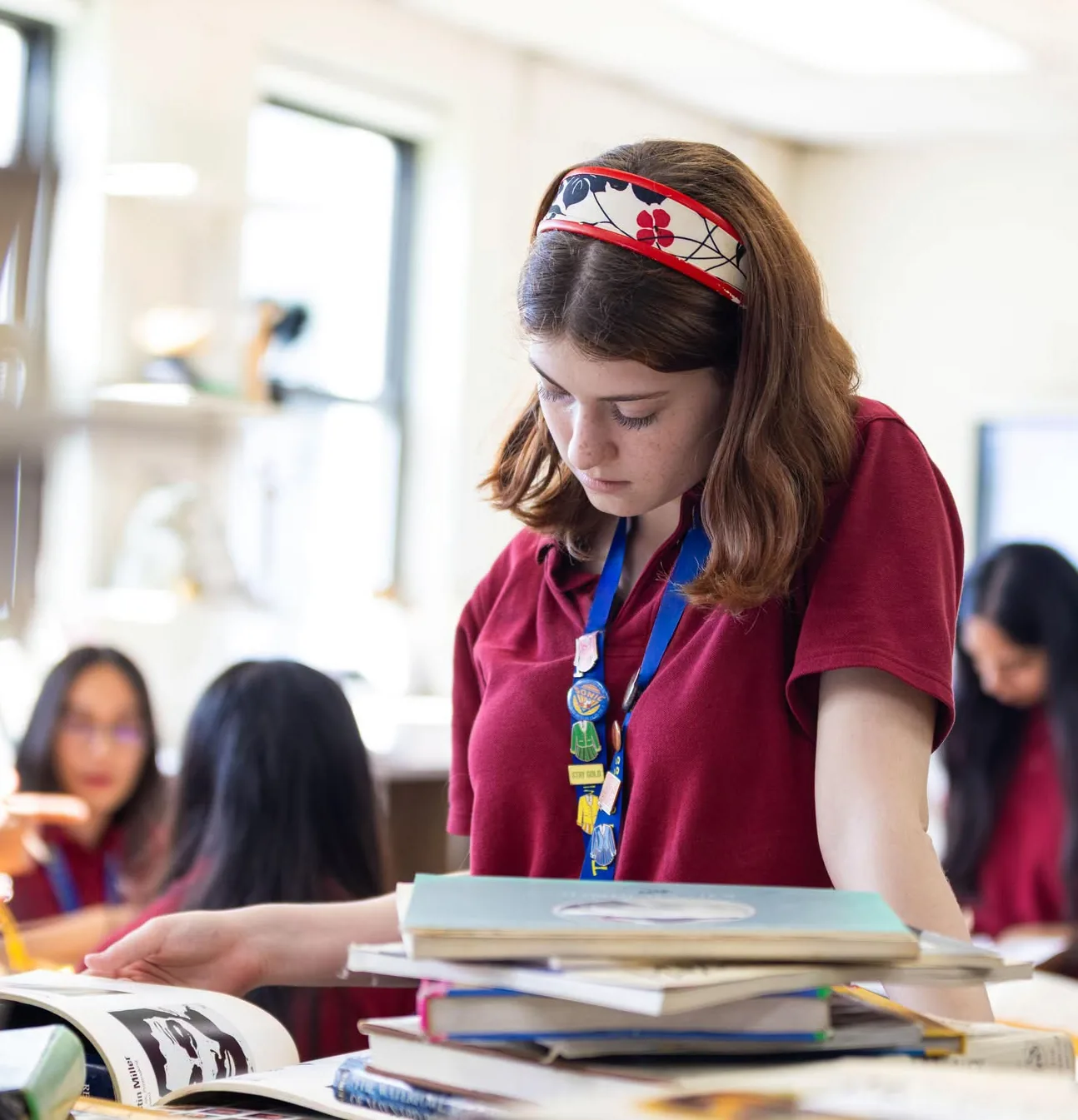
Investigating a question. Evaluating evidence. Building an argument and answering questions about it. This is practice for the independence college demands.
Academic opportunities across these school communities include AP Capstone, with its AP Seminar and AP Research courses. Other opportunities include a four-year research sequence beginning in ninth grade and university partnerships that allow eligible students to earn college credit before graduation. Offerings vary by school.1
Academic placement can reflect readiness in each subject. Interests, teacher recommendations and counselor guidance help shape a schedule that provides both challenge and support.
College guidance can begin in ninth grade, connecting strengths and interests with course choices and future study. Students can start making those connections well before application season.
Sometimes the interest is already there. What changes is the opportunity to pursue it.
One robotics student had been the only girl on a team with three boys. She felt they dominated the work. Seeing an all-girls team compete led her to consider its school.
On her new team, there were no predetermined roles. Collaboration mattered, and every member had the opportunity to learn each part of the work.


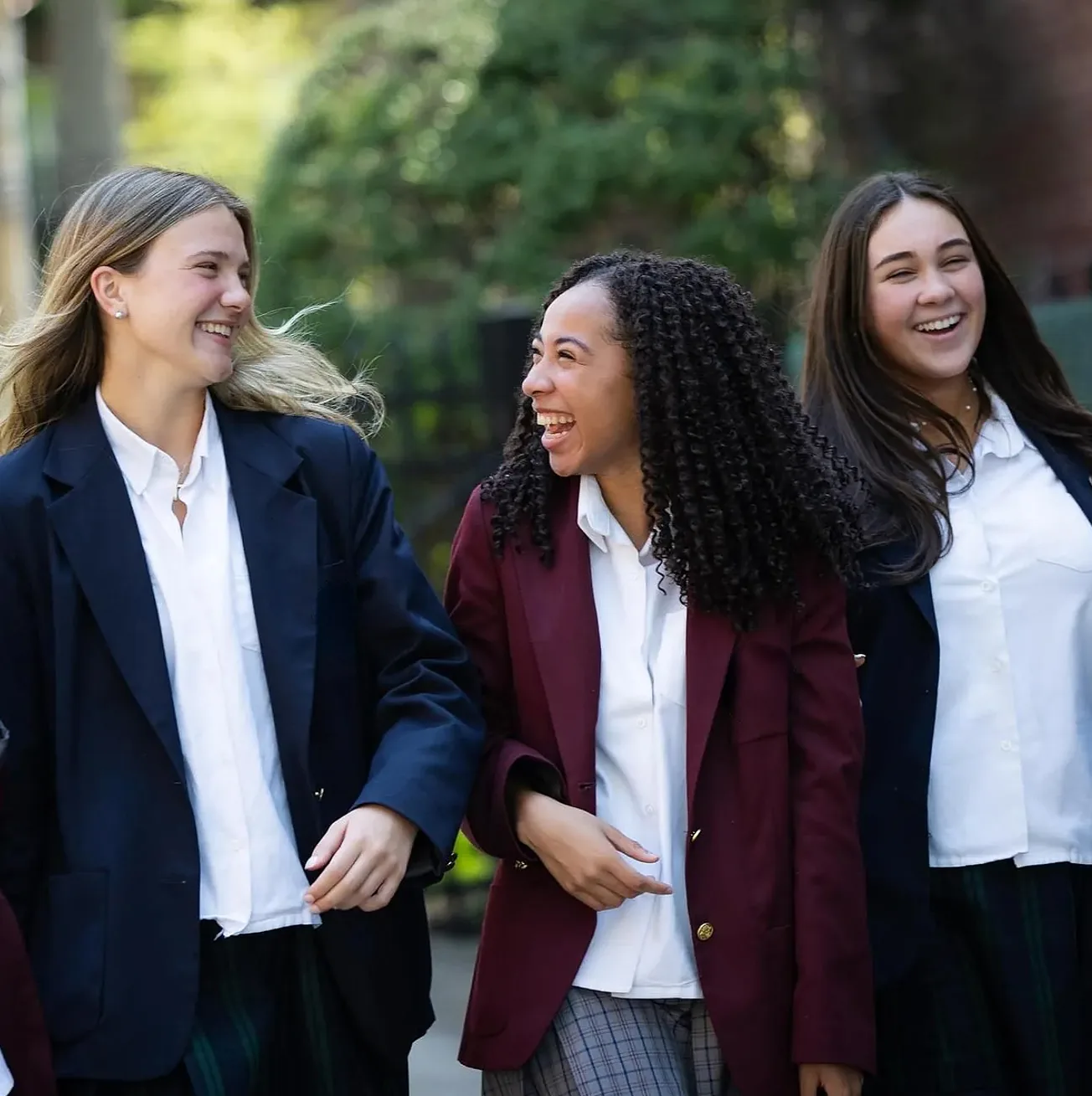
Choosing a school comes with a question: Will I find my people?
The answer matters as much as the course list.
In a 2023–24 international survey of all-girls schools, 88% of students reported having a peer at school they could turn to with a personal problem.2
ICGS / Challenge Success, 2023–24 international survey of girls’ schools. Study details →
Finding your people means having someone you can be honest with. About a hard day, a disagreement or something you haven’t figured out yet. You can be finding your way and still feel you belong.
Researching a problem, working with others and presenting an idea are skills students take into coed colleges, workplaces and communities.
For one student, that reach began before graduation. An interest in medicine led her into global health, research and advocacy. She helped create health education materials for girls in sub-Saharan Africa and presented research on the health effects of isolation at a global-health conference at Johns Hopkins.
An all-girls education was her starting point. Her audience was already much wider.

For the Sisters of St. Joseph of Brentwood, faith-based education connects personal growth with responsibility to others. Their sponsored schools share a commitment to inclusive love, unity, reconciliation, justice and peace.
Learning to listen. Respecting another person’s dignity. Responding to needs beyond your own. Research, service and leadership give students ways to put that purpose into practice.
Each school brings its own character to this shared mission. The Sisters sponsor this campaign to help more families discover the education they offer.
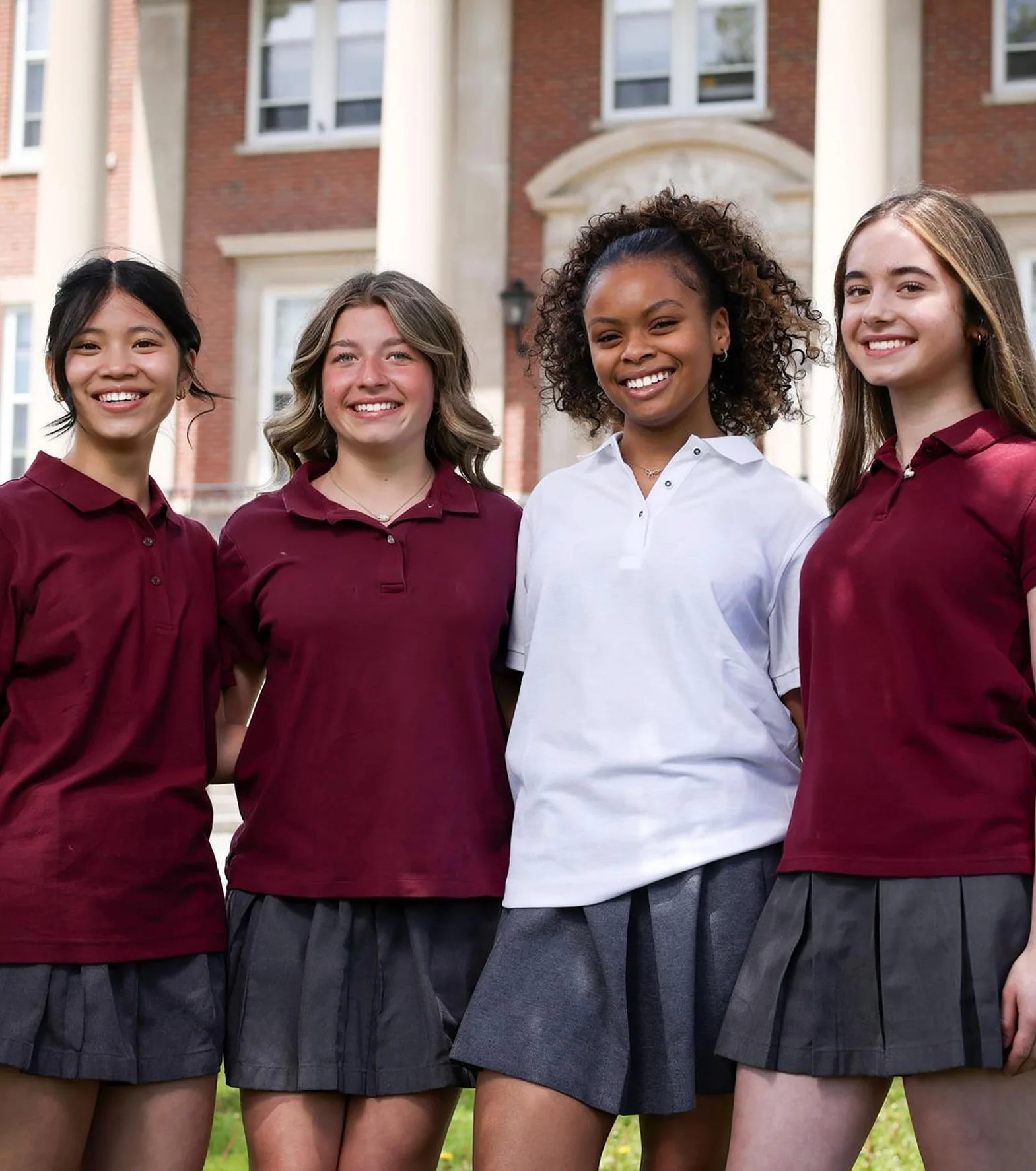
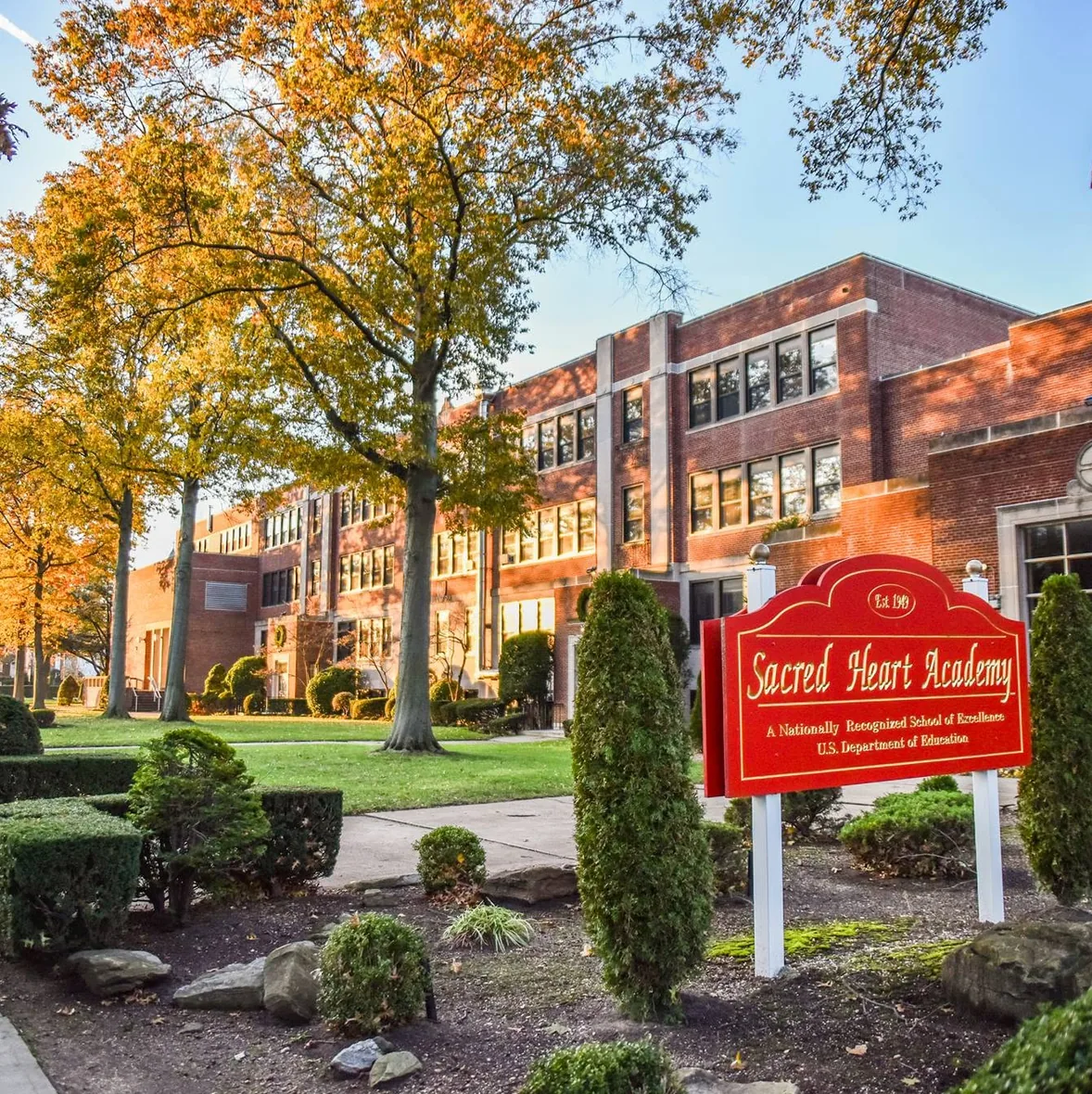
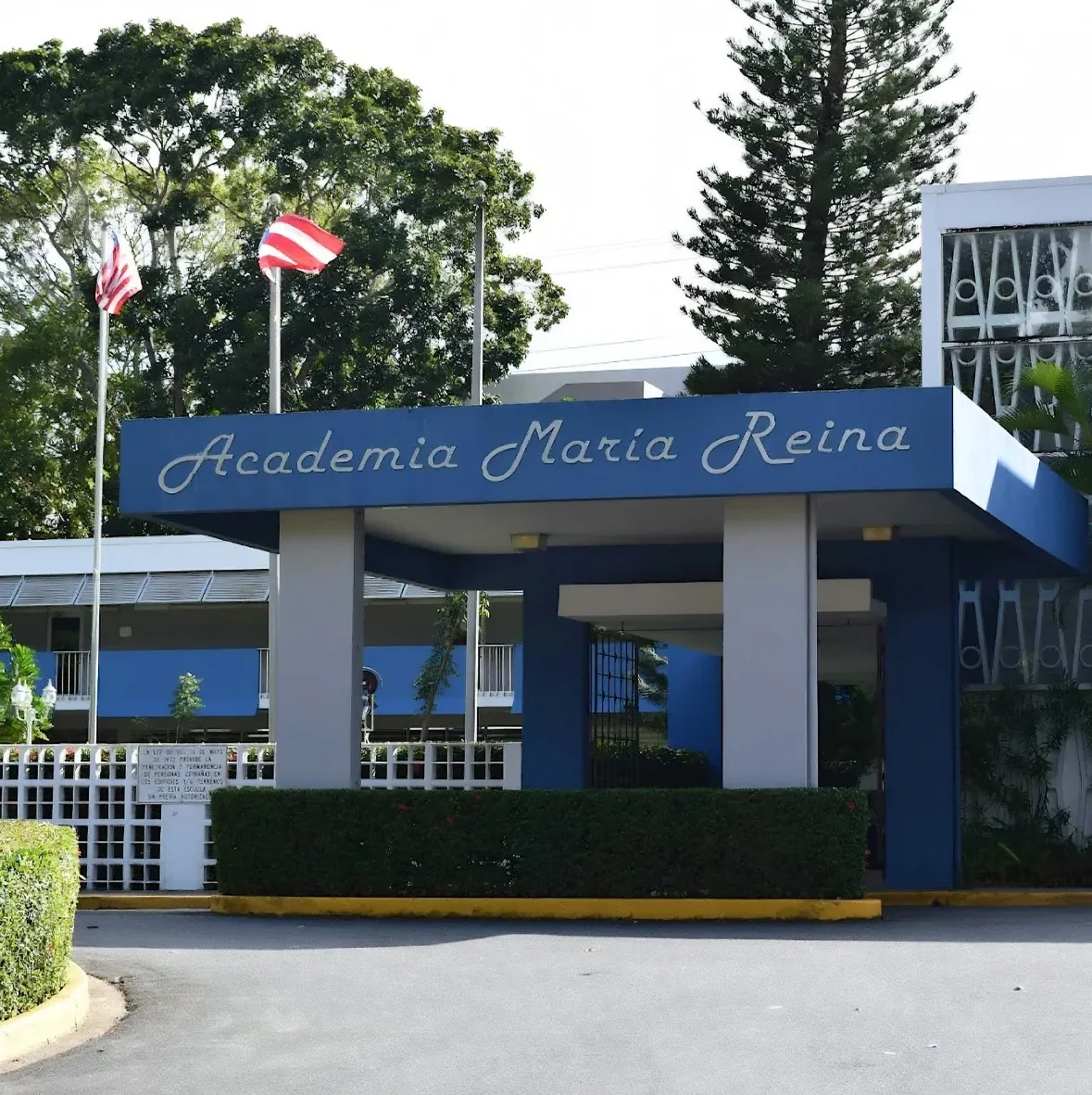
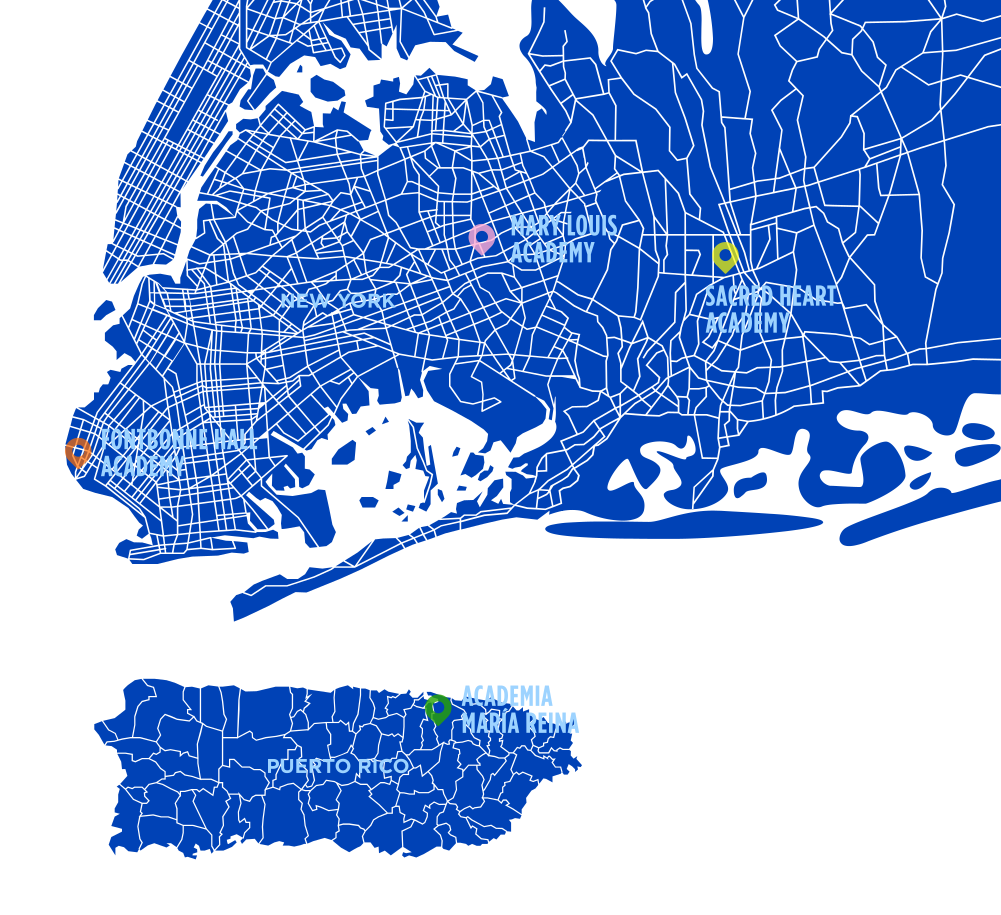
The experiences you’ve read about come from these four school communities. All four schools report 100% college acceptance or placement.3
Source: School-reported figures. See school details →
Now explore the education behind that number. Look at the courses. Hear from students. Ask how your daughter would be challenged and supported. Visit together.
Bring your questions. You don’t need to have made up your mind.

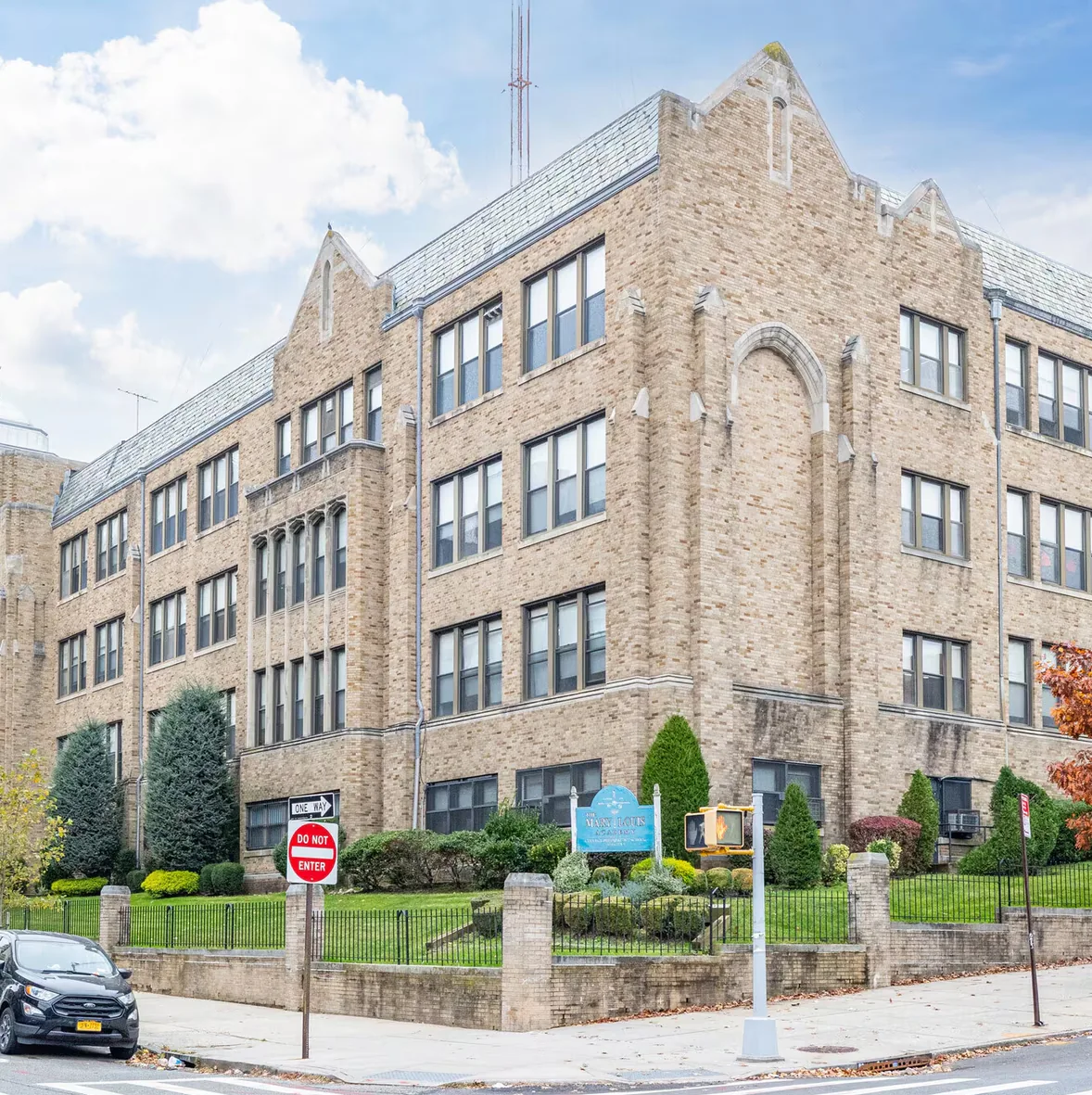
Jamaica Estates, Queens, New York
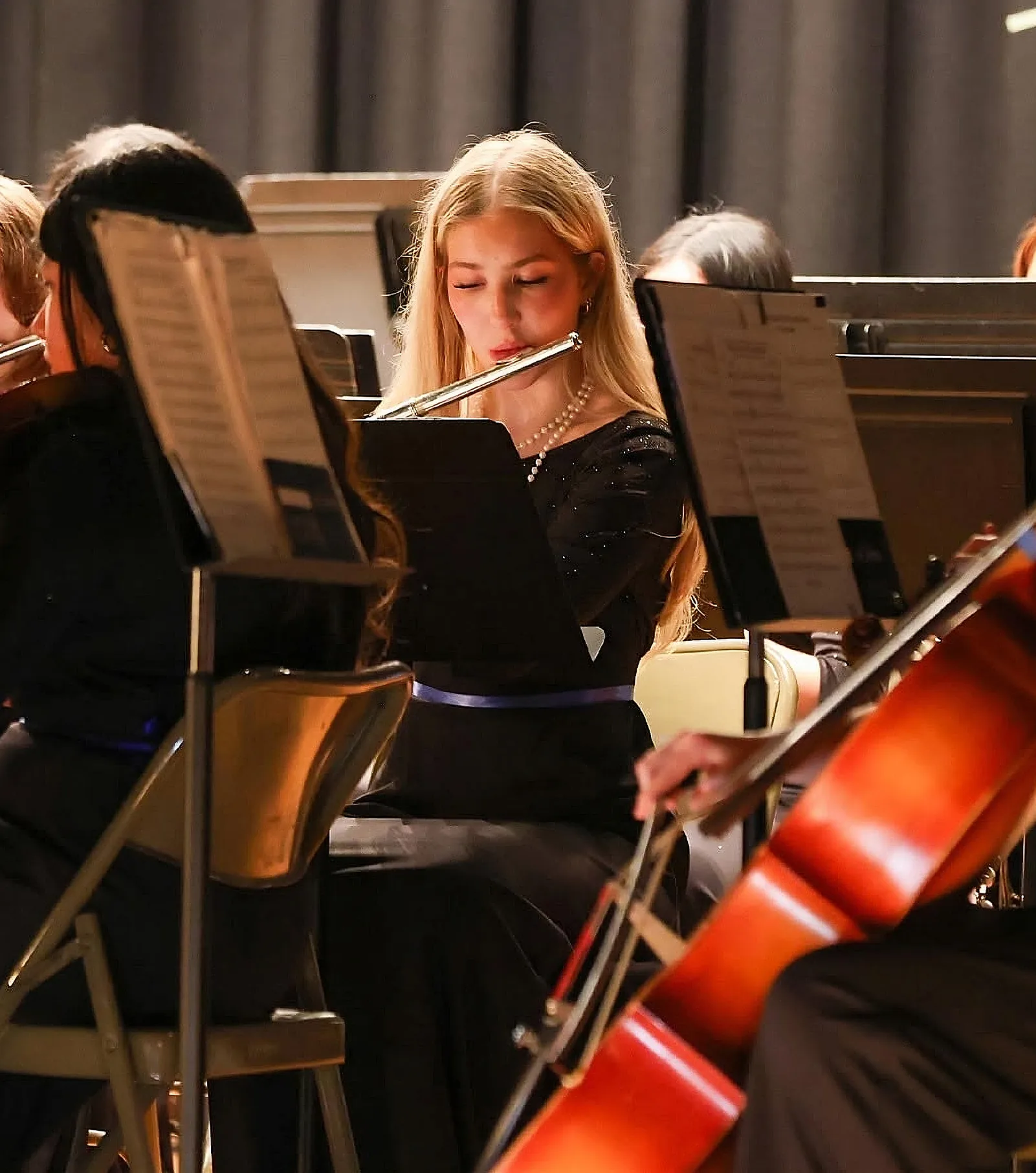
Diploma pathways include STEM, Pre-Med and the arts, with college guidance beginning in ninth grade. The Mary Louis Academy’s Class of 2026 received acceptances to more than 170 colleges and universities.4

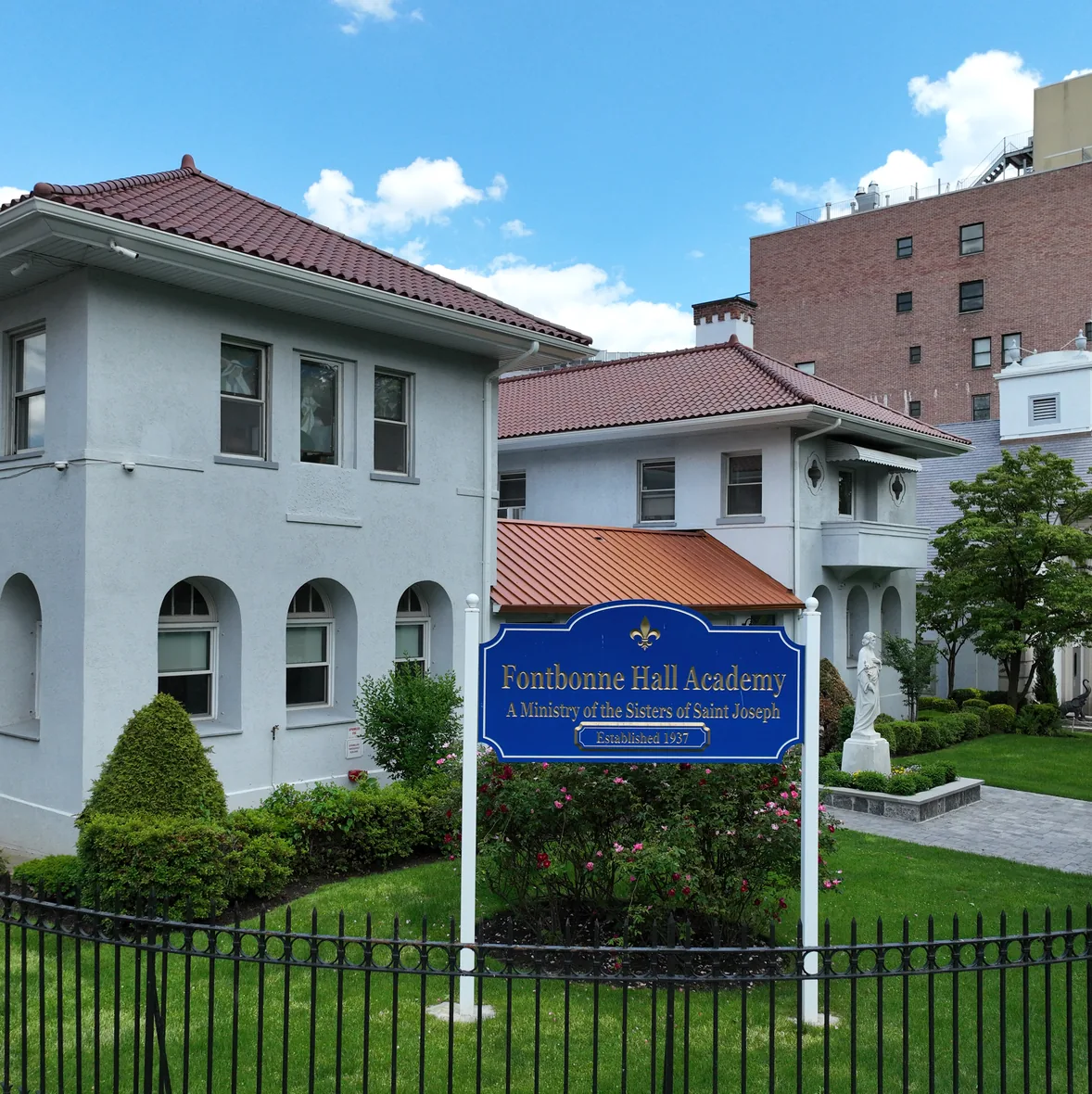
Brooklyn, New York
A smaller school community with a two-year AP Capstone sequence: students investigate questions in AP Seminar, then develop and defend original research in AP Research.1

Hempstead, New York
A four-year research sequence and the Bloomberg Finance Lab, where students work with economic and financial data and can pursue Bloomberg Certification.1